Act 133/2026: guide to the Slovak short-term rental register
Guide to Slovakia’s short-term rental register under Act No. 133/2026 Coll.: who must register, deadlines from 1 January 2027, details, process and fines.
Updated 7 min read2 sources
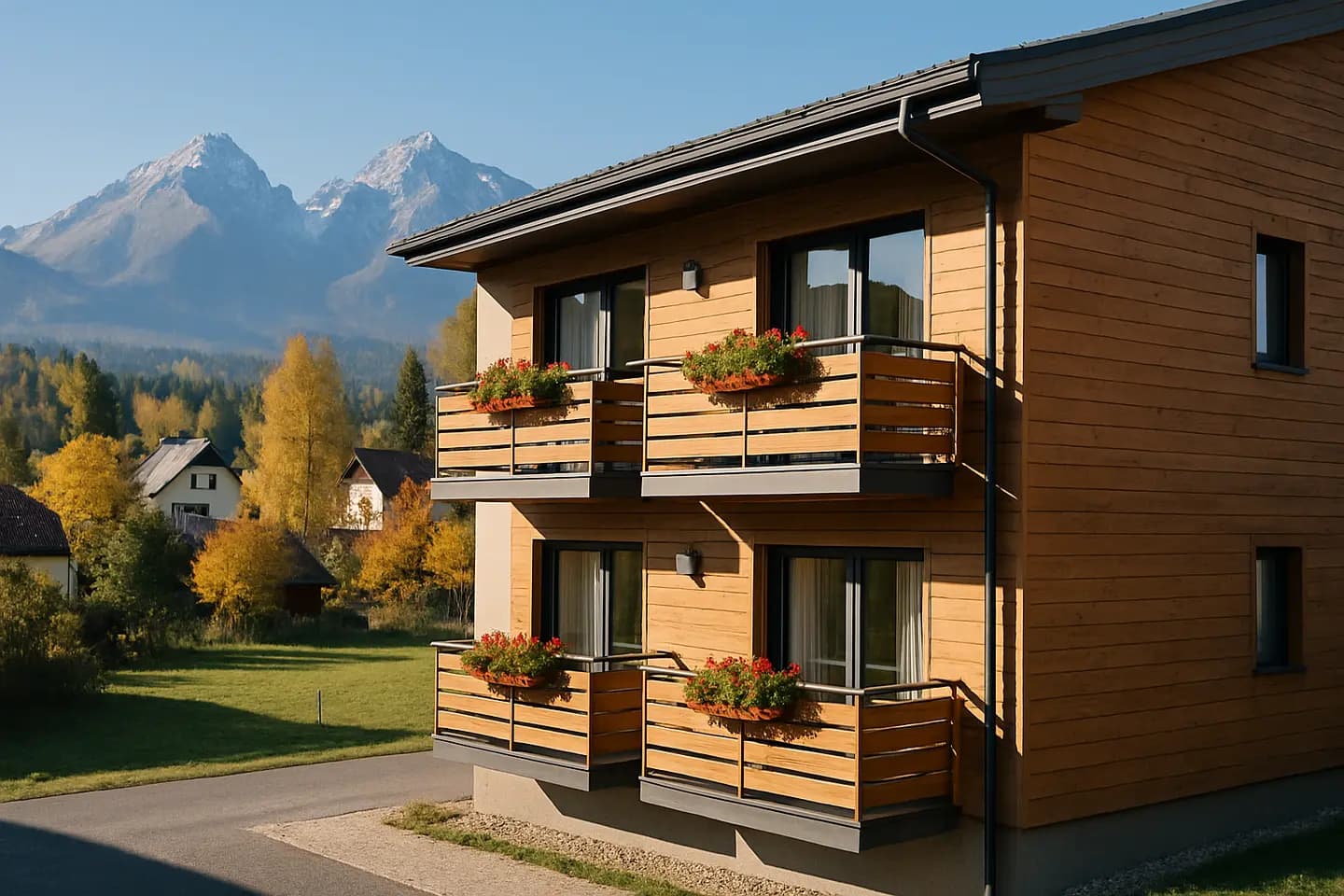
From 1 January 2027, Act No. 133/2026 Coll. (zákon č. 133/2026 Z. z.) applies in Slovakia. Anyone offering accommodation through online short-term rental platforms, such as Booking.com or Airbnb, must register each unit (chalet, apartment, flat) in the register run by the Ministry of Tourism and Sport of the Slovak Republic, before first providing services through a platform. If you already offer accommodation this way in 2026, you have until 28 February 2027. Registration is free, done electronically, and each unit receives a registration number without which the portals must not list it.
Why the register is being created
The Slovak law implements EU Regulation 2024/1028 on short-term rental data, which applies from 20 May 2026. The aim is for authorities to know which units are rented out through portals and who rents them out. The register is run by the Ministry of Tourism and Sport of the Slovak Republic, and it also serves as the single digital entry point through which authorities and portals exchange data.

Who it applies to
The law talks about a host. A host is an individual, a self-employed individual (fyzická osoba – podnikateľ) or a company that provides short-term rental accommodation through an online short-term rental platform or a small online platform. Under § 1(2), short-term rental means renting for a period of less than one year.
The law takes the term unit from the EU regulation: it means furnished accommodation that is rented out short-term. The regulation excludes hotels and similar accommodation (NACE group 55.1), hostels and campsites. The exact types of unit will be set out by the ministry in a decree (vyhláška, § 13(c)).
An important point: the registration obligation is tied to offering accommodation through online platforms. If you offer accommodation exclusively on your own website and by phone, § 5(1) does not require you to register. If you decide to add a listing on a portal, register the unit before you do.
Registration deadlines
- New hosts: before first providing services through a platform (§ 5(1)). Accommodation must not be offered through a platform without a valid registration number (§ 5(2)).
- Existing hosts who offer accommodation through platforms by 31 December 2026: by 28 February 2027 (§ 14). Until that date, the provisions on obligations and fines do not apply to them.
- Changes to details: within 30 days of the change (§ 5(4)), for example a change in the number of beds.
- Deletion: within 30 days of permanently ending rentals in the unit (§ 5(7)). Deletion cancels the registration number.
What details you will need
It is worth preparing them in advance, because some can only be found in the land registry (kataster nehnuteľností).
Unit details (§ 4(1))
- address: region (kraj), district (okres), municipality (obec), part of the municipality, street, building registration number (súpisné číslo) and street number (orientačné číslo),
- title deed number (list vlastníctva), cadastral area (katastrálne územie) and the number of the "C" or "E" register land parcel on which the building stands,
- flat number and floor, if it is in a residential building,
- unit type according to the ministry's decree,
- whether it is offered as part of or the whole of the host's home, or for purposes other than a home,
- maximum number of beds and maximum number of guests,
- the date you start offering it through a platform and, for fixed-term rentals, the end date.
Host details (§ 4(2))
- individual: first name and surname, permanent address, tax identification number, correspondence address (if different), phone, email,
- self-employed individual: trading name, place of business, company ID (IČO), tax ID (DIČ), correspondence address, phone, email,
- company: name, registered office, company ID (IČO), tax ID (DIČ), correspondence address, email and details of the statutory body.
How registration works
You submit your details electronically through the register's online service form, which you authorise under the e-Government Act (§ 5(5)). If you are an individual, you can also register in person at a designated ministry office, where you will be asked for proof of identity (§ 5(6)). Registration, changes and deletion are free of charge.
The register generates a unique registration number for each registered unit. You then enter this number on every portal where you list the unit. The EU regulation requires portals to ask hosts for the registration number before allowing a listing, and to display it visibly in the listing (Article 7 of the regulation).
Only the unit's address, type, offering period and registration number are publicly available in the register. The other details are accessible to the authorities listed in § 7, including the municipality as the authority administering the tourist tax, the Financial Administration (tax authority), the Police Force, the Statistical Office of the Slovak Republic and the trade licensing office. In practice, this means the details in the register should match what you report to the municipality for the tourist tax and what you state on the portals.
Checks, suspension and fines
After issuing the number, the ministry may check whether the details are complete, correct and up to date (§ 6). If it finds shortcomings, it will notify you in writing and set a deadline for putting them right of at least ten working days. If the deadline passes without action, within five days the ministry will temporarily suspend the registration number, and while it is suspended you must not offer the unit through a platform. If you do not fix the shortcomings within two months of the suspension becoming final, the number is withdrawn and the unit deleted from the register. The portal must then remove the listing or disable access to it.
Fines for failing to register, report a change, delete a unit, or for offering a unit without a valid number:
| Who | Fine | Repeat offence |
|---|---|---|
| individual | €100 – €1,000 | up to €2,000 |
| self-employed individual, company | €1,000 – €3,000 | up to €6,000 |
| online platform provider | €3,000 – €30,000 | up to €60,000 |
A repeat offence means a breach within five years of the previous fine becoming final (§ 10 and § 11).
Six steps to compliance
- List your units. Every chalet or apartment rented out separately will have its own number.
- Get the land registry details ready: title deed number, cadastral area, parcel and building registration number.
- Settle your capacity. The maximum number of beds and guests should be the same in the register, on the portals and in your notification to the municipality.
- Register in time: existing hosts by 28 February 2027, new hosts before their first listing on a portal.
- Add the registration number to all portals. The EU regulation also expects hosts to give it to guests, so it is practical to show it on your own website too.
- Report changes within 30 days, and delete the unit when you stop renting it out.
What the register does not replace
Registration is an additional obligation, not a replacement for existing ones. The EU regulation states explicitly that registration obligations do not affect other information obligations, for example in tax or statistics. So the following still apply:
- tourist tax: notifying the municipality of your capacity, keeping guest records and regular reporting under the local bylaw (VZN, generally binding regulation), more in our article Tourist tax,
- guest register (kniha ubytovaných) under the Act on Reporting Residence and your municipality's bylaw, more in our article Guest register,
- reporting foreign guests' stays to the police within five days of arrival.
The difference is that authorities will be able to compare the register data with what you report to them. The municipality, as the authority administering the tourist tax, will have access to the register, so it is worth checking that your number of beds and offering period match your notification to the municipality.
How SFERIN helps
If you have a website with SFERIN, we display the registration number on the website for each unit, and you have your capacity details in one place together with guest registration. You will find a detailed guide with a list of documents on the Short-term rental register page. And if you want commission-free bookings to come in alongside your obligations, take a look at the free website preview.
Frequently asked questions
Do I have to register if I only offer my accommodation on my own website?
Act No. 133/2026 Coll. (zákon č. 133/2026 Z. z.) ties the registration obligation to offering accommodation through online short-term rental platforms (for example Booking.com or Airbnb). If you do not offer it through any such platform, no obligation arises under § 5(1). However, you must register the unit before you first offer it on a portal.
What is my deadline if I already have a listing on Booking.com?
Hosts who offer accommodation through online platforms by 31 December 2026 must register their details by 28 February 2027 (§ 14 of the Act). New hosts register before first providing services through a platform.
Is there a fee for registering a unit?
Nothing. Under § 5(10), registration, changes and deletion are all free of charge.
Do I need a separate registration number for each apartment or chalet?
Yes. The register generates a unique registration number for each registered unit (§ 4(3)). If you rent out three chalets, you will have three numbers.
What fine can I get if I do not register?
Individuals: €100 to €1,000, or up to €2,000 for a repeat offence. Self-employed individuals and companies: €1,000 to €3,000, or up to double the upper limit for a repeat offence. Fines are imposed by the Ministry of Tourism and Sport of the Slovak Republic.
Will anyone see my personal data in the register?
Only the unit's address, its type, the period it is offered and the registration number are public (§ 3(3)). Your name, tax number and phone number are not public; only the authorities listed in § 7 can see them, for example the municipality as the authority administering the tourist tax.
Sources
- Zákon č. 133/2026 Z. z. o registri jednotiek pre poskytovanie služieb krátkodobého prenájmu ubytovania (Act on the Register of Units for Short-Term Rental Accommodation Services), version in force from 1 January 2027
- Regulation (EU) 2024/1028 on data collection and sharing relating to short-term accommodation rental services
This article is an overview, not legal or tax advice. Updated 11 October 2026.